10 Due-Diligence Steps Every Property Buyer Should Take, From Contracts to Rat Exterminator Sydney

10 Due-Diligence Steps Every Property Buyer Should Take, From Contracts to Rat Exterminator Sydney

This guide breaks the process into ten practical checks property buyers and investors can run on almost any Australian residential purchase, whether it is a Brisbane unit, a Melbourne townhouse, or a Sydney house.

What should they check before they sign the contract?

They should treat the contract as a risk document, not a formality. The first job is to confirm exactly what is being sold, what is excluded, and what deadlines apply.

In most states the agent supplies a contract pack, but quality varies. A buyer should verify the lot details, inclusions list, settlement terms, and any special conditions. They should also consider services such as a rat exterminator Sydney inspection if there are signs of pest activity, as these due diligence steps are about catching issues before legal timelines lock them in.

Which searches and certificates should they order early?

They should order the searches that reveal what the property cannot tell them at an inspection. This usually includes title search, plan, dealings, and relevant local council information.

Depending on the state and property type, they may also need zoning certificates, sewer and water diagrams, and heritage or flood overlays. Good due diligence steps start with ordering searches early, because delays can push them into rushing decisions inside a cooling-off window.

10 Due-Diligence Steps Every Property Buyer Should Take, From Contracts to Rat Exterminator Sydney

How do they confirm the title is clean and the boundaries make sense?

They should confirm the legal description matches what they think they are buying. That means checking easements, covenants, restrictions on use, and any unregistered dealings that could affect future plans.

A common surprise is an easement that limits extensions, pools, or carports. Another is a right of way or accessway that changes privacy and value. These due diligence steps help them avoid paying for land they cannot use as intended.

What building and pest inspections should they prioritise?

They should book independent building and pest inspections with inspectors who are experienced in the local housing stock. In Australia, termite risk is widespread, so the pest component is not optional.

The inspector should report on structural movement, moisture, drainage, roof condition, subfloor ventilation, and evidence of termites or other timber pests. If defects appear, the buyer can use these due diligence steps to renegotiate, add conditions, or walk away. A detailed pre-purchase building inspection checklist helps buyers understand potential risks before committing to a property purchase.

How can they assess hidden maintenance costs, especially in older homes?

They should translate defects into cash costs before proceeding. A report that says “recommend further investigation” can easily turn into thousands once trades attend.

They can request quotes for roof repairs, rising damp treatment, restumping, electrical upgrades, and plumbing issues. They should also check insurance history where possible and ask targeted questions about past leaks. Practical due diligence steps turn vague risks into numbers they can compare to the asking price.

What strata records should they review for units and townhouses?

They should treat strata as a business they are buying into. The records reveal whether the building is financially healthy and whether major works are coming.

They should review the strata report for levies, sinking fund balance, insurance, defects history, by-laws, tribunal disputes, and planned capital works. Red flags include low funds, recurring water ingress, fire compliance issues, and repeated special levies. These due diligence steps are often the difference between a steady investment and a costly surprise.

How should they verify the property’s compliance and approval history?

They should confirm the dwelling and any additions were approved, or at least understood and priced appropriately. Unapproved decks, garages, or granny flats can create insurance and resale problems.

A buyer can check council records, building approvals, and occupation certificates where applicable. They should also confirm smoke alarm compliance, pool fencing compliance, and any required safety certificates relevant to their state. Strong due diligence steps reduce the risk of inheriting someone else’s compliance headache.

How do they validate rental returns and tenancy risks for investors?

They should avoid relying on agent rental appraisals alone. An investor should cross-check with comparable leased listings and local vacancy data, then stress test the numbers.

They should also review the tenancy terms if the property is sold with a tenant in place, including rent, bond, lease end date, and any arrears. For cash flow planning, these due diligence steps should include realistic allowances for repairs, vacancy, strata, insurance, and property management. Effective property investment cash flow planning allows buyers to prepare for ongoing costs and make more informed decisions before settlement.

Why should they check environmental and health risks like mould and rodents?

They should assume that odours and stains have a cause, and confirm what it is. Mould can indicate ventilation problems, roof leaks, bathroom waterproofing failure, or subfloor moisture.

Rodents can also be a property condition signal, not just a nuisance. If there is scratching in ceilings, droppings, or chew marks, they should consider a professional inspection and treatment plan, including engaging a rat exterminator Sydney service when the purchase is in that market. These due diligence steps protect both health and budget.

10 Due-Diligence Steps Every Property Buyer Should Take, From Contracts to Rat Exterminator Sydney

How should they plan finance, valuation, and settlement so nothing falls over?

They should run finance as a parallel track, not a last step. Even with pre approval, a lender valuation, credit policy, and property type rules can derail the deal.

They should confirm loan conditions, valuation timing, and their cash buffer for stamp duty, LMI (if applicable), adjustments, and settlement costs. Their conveyancer or solicitor should also confirm critical dates and ensure conditions are met on time. Alongside financial checks, arranging Pest and Termite Treatment before settlement can help identify hidden risks and protect the property’s long-term value. These final due diligence steps reduce the risk of losing a deposit or scrambling for short-term funding.

Conclusion: What does a “good enough” due diligence process look like?

It looks like a checklist they actually complete, with documents saved, risks priced, and deadlines controlled. If they cannot verify something, they either negotiate a condition, adjust the price, or walk away.

Across Australia, the property itself rarely tells the full story. The buyer who follows consistent due diligence steps is the one most likely to avoid costly mistakes and make a confident decision, whether they are buying a first home or building a portfolio.


Buying a Property? Here's Why Pest and Termite Treatment Belongs on Your Due-Diligence List

Buying a Property? Here’s Why Pest and Termite Treatment Belongs on Your Due-Diligence List

That is why pest and termite treatment deserves a clear place in due diligence, alongside finance, strata checks, and building reports. It can reduce the chance of nasty surprises, strengthen negotiating power, and help protect the asset from day one.

Why should buyers treat termites as a due-diligence issue, not a “later” problem?

Because termite damage can already exist before settlement, and it is often hidden behind walls, under floors, or in roof voids. Buyers who treat it as a future maintenance issue can inherit a costly problem without realising it.

In many Australian suburbs, conditions are ideal for termites. Early planning for pest and termite treatment makes the purchase process more risk-aware and less emotional.

What makes Australian properties particularly vulnerable to timber pests?

Australia has warm climates, periods of heavy rainfall, and plenty of established vegetation near homes. Add older housing stock, timber framing, and subfloor moisture, and many properties become attractive to termites.

Even in major cities like Sydney, Melbourne, Brisbane, Perth, and Adelaide, termite pressure can be localised street by street. A well-presented renovation does not rule out the need for pest and termite treatment.

Buying a Property? Here's Why Pest and Termite Treatment Belongs on Your Due-Diligence List

What exactly is the difference between a pest inspection and termite treatment?

A pest inspection is a snapshot of current activity and visible risk factors, usually delivered as a written report. Treatment is an action taken to control or prevent termites and other pests, based on risk and findings.

Buyers should not assume an inspection equals protection. The inspection helps inform whether pest and termite treatment is needed now, soon, or as part of a longer-term prevention plan.

When should a buyer organise pest checks during the purchase process?

They should organise them during the cooling-off period or within the contract’s building and pest condition timeframe. The goal is to receive the report early enough to renegotiate, request repairs, or walk away if the risk is unacceptable.

For auction purchases, the timing shifts earlier. Buyers often arrange pre-auction inspections and still plan for post-purchase pest and termite treatment if the risk profile demands it.

How can pest findings change negotiations or the decision to proceed?

They can change everything, because evidence of active termites, past damage, or high-risk conditions can affect both cost and confidence. If the report identifies damage, buyers may seek a price reduction, request professional rectification, or insist on treatment prior to settlement.

Even “no active termites detected” is not a free pass. If the report flags conducive conditions, budgeting for pest and termite treatment can still be a sensible part of negotiations.

What should buyers look for in a pest and termite report?

They should look beyond the headline summary and read the risk notes. Key items include signs of active termites, evidence of previous activity, moisture issues, subfloor ventilation, timber-to-ground contact, and whether access was limited.

They should also check whether the inspector recommends further invasive inspection. If limitations exist, buyers may choose targeted follow-ups and plan pest and termite treatment as a risk management step.

Which property types are most likely to need termite protection?

Older homes, properties with extensions, and houses with subfloors often face a higher risk. Homes near bushland, waterways, or dense gardens can also be more exposed.

Investors should pay close attention to rentals with heavy landscaping, leaking wet areas, or long gaps between maintenance visits. In these cases, proactive pest and termite treatment is often cheaper than reacting after damage appears.

Does a building inspection cover this, or is a separate service still needed?

A building inspection and a pest inspection overlap, but they are not the same thing. Many building inspectors note general pest-related concerns, yet a dedicated pest specialist is typically better equipped to detect timber pest activity and explain prevention options.

For buyers focused on risk reduction, the safest approach is a building report plus a pest report, followed by appropriate pest and termite treatment if the risk warrants it.

What are the most common termite “risk factors” buyers can spot themselves?

They can look for obvious red flags, even before inspections. Common clues include gardens or mulch piled against external walls, leaking taps, poor drainage, timber sleepers touching soil, and cluttered subfloor vents.

None of these confirm termites, but they raise the odds. If buyers see several risk factors, they should be quicker to factor pest and termite treatment into their due diligence budget.

What does pest and termite treatment usually involve for a home buyer?

It depends on the property, construction type, and local risk level. Some treatments focus on eliminating active infestations, while others focus on prevention using barriers or baiting systems.

Importantly, treatments are not “set and forget”. They work best with regular inspections and sensible upkeep. For many buyers, pest and termite treatment is part of an ongoing protection plan rather than a one-off expense.

How do chemical barriers and baiting systems compare in real-world use?

Chemical barriers generally aim to create a treated zone around or under the structure, making termite entry less likely. Baiting systems monitor for termite activity and can reduce colonies over time through bait consumption.

Each has trade-offs, and suitability depends on access, soil, landscaping, and building design. Buyers should ask what is practical for the specific home, not what is popular. The right pest and termite treatment is the one that fits the site.

Should buyers insist on treatment before settlement, or plan it immediately after?

If active termites are found, treatment before settlement can be a strong condition to request, along with evidence of professional completion. If risk is moderate but not urgent, treatment immediately after settlement can still be sensible, especially if buyers plan renovations or landscaping changes.

Either way, delays create uncertainty. Many buyers prefer to take control and schedule pest and termite treatment early so they start ownership with a clearer baseline.

How can treatment history and warranties affect an investment property’s long-term value?

A documented history of inspections and treatments can support resale confidence and reduce future negotiation friction. While it does not guarantee a termite-free home, it signals responsible ownership and makes the risk easier to understand.

For investors, it can also reduce vacancy risk caused by urgent repairs. Regular inspections, combined with a reliable pest and termite prevention plan, can help protect rental income, maintain property condition, and address potential issues before they become expensive problems.

What should buyers ask a pest controller before committing to any treatment?

They should ask what problem is being solved and why that method suits the property. They should also ask about ongoing costs, reinspection intervals, warranty terms, and what could void coverage.

Good providers explain limitations clearly, including access issues and environmental factors. A buyer wants clarity, not vague reassurance. The goal is a practical pest and termite treatment plan that can be maintained.

How much should buyers budget for termite prevention in Australia?

Costs vary widely by dwelling type, site access, and local conditions, so a single national figure is rarely helpful. Buyers should treat it like an insurance-style line item and price it based on the actual property after inspection.

For due diligence, the key point is affordability and timing. If the property needs immediate pest and termite treatment, that cost should sit beside stamp duty, lender fees, and any urgent repairs.

Can renovating or landscaping after purchase increase termite risk?

Yes, and it is a common trap. Adding garden beds against walls, changing drainage, installing timber features, or disturbing soil around the home can create new entry points or moisture issues.

Buyers planning renovations should coordinate with a pest professional before works begin. In many cases, updating pest and termite treatment settings around renovation plans prevents accidental risk increases.

Buying a Property? Here's Why Pest and Termite Treatment Belongs on Your Due-Diligence List

How can a buyer’s agent help integrate pest risk into a smarter purchase decision?

They can help buyers treat pest risk like any other due diligence input, rather than a last-minute worry. They also help interpret inspection findings in the context of the property’s age, area, and likely maintenance demands.

For interstate buyers or time-poor investors, this coordination matters. The goal is not perfection, but fewer blind spots and a clearer understanding of professional pest and termite treatment services required to protect the property. A structured approach helps buyers make informed decisions while managing long-term maintenance risks.

What’s a simple due diligence checklist buyers can follow?

They should keep it practical and time-based. A simple checklist is:

They should arrange a pest inspection early enough to take action if issues are identified. Buyers should read limitations and risk notes carefully, not just the summary, and request clarification where access was restricted. They should also price any recommended repairs, plan treatment timing, and document everything for future resale. For properties showing signs of rodent activity, professional guidance from Rat Exterminator Sydney can help address risks before they become costly problems.

Done properly, pest and termite treatment becomes a controlled decision rather than a rushed reaction.

What is the bottom line for property buyers and investors?

They should treat termite risk as a financial risk, not a minor maintenance detail. Australian property can be a strong long-term asset, but only when hidden issues are managed with the same seriousness as location, yield, and building condition.

If buyers want a clean, confidence-led purchase process, they should make room in due diligence for inspections and a realistic plan for pest and termite treatment.

Tiles and Bath

Designing a Spa-Like Retreat: Smart Tech & Statement Tiles

The Australian home is undergoing a fundamental shift. No longer is the bathroom merely a functional utility; it has become a private sanctuary for wellness and rejuvenation. Designing a spa-like retreat: integrating smart technology with statement tiles is the gold standard for homeowners seeking to increase both property value and personal well-being.

By marrying the tactile, aesthetic power of premium tiling with the seamless convenience of automation, you create a space that responds to your needs. Whether it is the warmth of a heated floor on a Melbourne winter morning or the visual impact of a feature wall in a coastal Sydney home, this integration is the key to modern luxury.

See more: Subway Tiles Reimagined: Fresh Takes on a Classic Design


Defining the Spa-Like Retreat: Tech Meets Texture

A spa-like retreat is defined by its ability to engage the senses while reducing mental friction. In interior design, this is achieved through two primary pillars:

  1. Visual and Tactile Foundation: High-end statement tiles that provide color, depth, and organic textures.
  2. Functional Intelligence: Smart technology that automates climate, lighting, and water flow.

When these elements are integrated correctly, the technology remains invisible, and the design remains at the forefront.

Why the Australian Market is Leading This Trend

Australian architecture increasingly emphasizes “indoor-outdoor” living and biophilic design. Homeowners are now looking for ways to bring the serenity of a high-end Daylesford or Byron Bay resort into their primary residences.


The Foundation: Selecting Statement Tiles for Impact

Tiles are the “skin” of your bathroom. They set the tone, reflect the light, and provide the durability required for a wet environment.

1. Large-Format Porcelain Slabs

Large-format tiles (e.g., $1200mm \times 2400mm$) minimize grout lines. This creates a continuous, stone-like surface that mimics the monolithic look of high-end commercial spas.

2. Natural Stone and Terrazzo

Terrazzo remains a staple in Australian luxury design. Its speckled texture hides water spots effectively and provides a sophisticated, artisan feel that pairs beautifully with minimalist smart fixtures.

3. Tactile 3D and Kit Kat Tiles

Adding dimension through “Kit Kat” (finger) tiles or fluted surfaces provides a rhythmic, calming visual. These are often used as feature walls in walk-in showers to draw the eye toward the “wet zone.”

Tile TypeBest Use CaseAesthetic Vibe
Marble-Look PorcelainMain flooring & wallsTimeless, opulent
Zellige TilesBacksplashesHandmade, organic, glossy
Textured SlateShower floorsEarthy, grounded, non-slip
Metallic AccentsDecorative bordersModern, industrial-chic

Integrating Smart Technology: Enhancing the Experience

The “smart” in a spa-like retreat isn’t about gadgets; it’s about ambient intelligence.

Smart Lighting and Chromotherapy

Traditional overhead lighting is often too harsh. Smart LED strips integrated into tile niches or under floating vanities allow for “scenes.”

  • Morning: Cool blue tones to energize.
  • Evening: Warm amber tones to trigger melatonin production.

Thermostatic Control and Underfloor Heating

Nothing breaks the “spa” immersion like a cold tile floor. In Australia’s southern states, electric underfloor heating is a non-negotiable for luxury builds. Integrating this with a smart thermostat (like Nest or Ecobee) allows the floor to reach the perfect temperature 15 minutes before your alarm goes off.

Digital Showers and Voice Control

Digital mixing valves allow you to set your precise water temperature via an app or voice command. This ensures your shower is perfectly pre-heated, reducing water waste and enhancing comfort.

Tiles and Bath

Benefits of Integrating Tech with High-End Tiling

Designing a spa-like retreat: integrating smart technology with statement tiles offers more than just aesthetic appeal.

  • Increased Property Valuation: High-spec bathrooms are one of the highest-ROI renovations in the Australian real estate market.
  • Water and Energy Efficiency: Smart showers can monitor water usage, while automated lighting reduces electricity consumption.
  • Improved Mental Health: A dedicated space for “slow living” helps reduce cortisol levels and improves sleep hygiene.
  • Safety and Accessibility: Smart sensors can detect leaks or falls, providing peace of mind for multi-generational households.

A Step-by-Step Framework for Design Integration

To achieve a cohesive look, follow this professional design workflow:

Step 1: Define Your “Hero” Element

Decide if the statement tile or the technology is the star. If you choose a vibrant, patterned encaustic tile, keep your smart fixtures minimalist and matte black or brushed gold.

Step 2: Plan Electrical and Plumbing Early

Smart tech requires infrastructure. Digital shower valves often need a hidden access panel, and underfloor heating requires a dedicated circuit. This must be mapped before the first tile is laid.

Step 3: Layer Your Lighting

  • Task Lighting: For grooming.
  • Accent Lighting: To highlight the texture of your statement tiles.
  • Mood Lighting: Smart RGB strips for relaxation.

Step 4: Material Selection and Slip Ratings

For Australian bathrooms, ensure floor tiles have a minimum P3 or P4 slip rating. Ensure the tiles chosen are compatible with the heat output of your sub-floor heating systems.


Best Practices and Advanced Design Tips

  • Mitered Edges: Always request mitered edges for your statement tiles rather than plastic trim. This creates a seamless, high-end “wrap” around corners.
  • Concealed Tech: Hide smart speakers behind the ceiling or integrate them into the vanity to keep the focus on the stonework.
  • Acoustic Management: Large tile surfaces can create echoes. Use soft-close cabinetry and perhaps a moisture-resistant acoustic ceiling panel to keep the space quiet.
  • Grout Matching: Use epoxy grout that matches your tile color exactly. This makes the “statement” about the tile, not the grid.

Common Mistakes to Avoid

  1. Overcomplicating the Interface: If you need a manual to turn on your shower, the design has failed. Stick to intuitive interfaces.
  2. Ignoring Scale: Putting massive tiles in a tiny powder room can make the space feel cramped. Scale the tile size to the room’s proportions.
  3. Poor Waterproofing: No amount of smart tech can fix a leak. Ensure all “wet zones” are waterproofed to Australian Standards (AS 3740) before tiling.
  4. Clashing Finishes: Don’t mix too many metallic finishes. If your smart faucet is brushed nickel, ensure your tile trim and shower hinges match.

Internal Linking & Authority Suggestions

  • Internal Link Suggestion: The Guide to Sustainable Luxury: Eco-Friendly Tiles for Australian Homes.
  • Internal Link Suggestion: Smart Home Integration: Connecting Your Bathroom to Your Home Ecosystem.
  • External Reference: Refer to the Housing Industry Association (HIA) for Australian bathroom renovation standards.
  • External Reference: Consult the Design Institute of Australia for trends in luxury residential interiors.

FAQ: Designing Your Spa-Like Retreat

What is the best tile for a spa-like bathroom?

Large-format porcelain and natural stone like Travertine or Marble are preferred for their timeless look and durability.

How much does smart bathroom technology cost?

Basic smart lighting and heating can start from $2,000, while fully integrated digital showering systems can exceed $10,000, depending on the brand and complexity.

Can I install smart tech in an existing tiled bathroom?

It is difficult to retro-fit underfloor heating or digital valves without removing tiles. However, smart lighting and Bluetooth mirrors can often be added with minimal disruption.

Is underfloor heating energy-efficient?

Yes, when paired with a smart thermostat and proper insulation, electric underfloor heating is a highly efficient way to maintain ambient temperature.

Are statement tiles harder to clean?

It depends on the finish. Highly textured or 3D tiles may require more frequent dusting, whereas large-format polished porcelain is exceptionally easy to maintain due to fewer grout lines.


Conclusion: Elevating the Everyday

Designing a spa-like retreat: integrating smart technology with statement tiles is about more than just luxury—it is about creating a functional piece of art. By selecting tiles that resonate with your personal style and supporting them with technology that anticipates your needs, you transform a daily routine into a restorative ritual.

Terrazzo Tiles

2026 Terrazzo Tile Trends: Large-Chip & Earthy Tones Guide

The Australian interior design landscape is undergoing a tactile revolution. As we move into 2026, the clinical minimalism of previous years is being replaced by materials that offer soul, substance, and a connection to the natural world. Leading this charge is the reinvention of a mid-century classic: terrazzo.

In this comprehensive guide, we explore the definitive 2026 Terrazzo Tile Trends: From Bold Large-Chip Designs to Warm Earthy Tones, providing homeowners and designers with the insights needed to navigate the latest shifts in texture, colour, and scale.

See more: The Ultimate Guide to Subway Tile Patterns: From Classic to Contemporary Designs

What is Terrazzo? The Evolution of a Design Icon

Terrazzo is a composite material traditionally made by embedding chips of marble, quartz, granite, or glass into a cementitious or epoxy binder. Once cured, the surface is ground and polished to reveal a speckled, kaleidoscopic finish.

While its origins date back to 16th-century Venice, the 2026 iteration of terrazzo focuses on “material confidence.” Modern manufacturing has allowed for greater control over chip density and pigment, resulting in tiles that are more durable, less porous, and infinitely more expressive than their predecessors.

Core 2026 Terrazzo Tile Trends: Large-Chips and Earthy Palettes

The current year marks a departure from fine-grained, uniform patterns. The “new” terrazzo is about making a statement through deliberate irregularity and warmth.

1. Bold Large-Chip Designs (Ceppo Style)

Often referred to as “Ceppo” style, these tiles feature oversized marble fragments that can reach up to 100mm in diameter.

  • Visual Impact: They turn a floor or wall into a piece of abstract art.
  • Spatial Flow: In large Australian open-plan homes, big chips reduce the visual “busyness” often associated with traditional fine-grain terrazzo.
  • Key Application: Kitchen islands and expansive living room floors.

2. Warm Earthy Tones and “Sunbaked” Palettes

Grey-based terrazzo is taking a backseat. The 2026 palette is inspired by the Australian outback and Mediterranean coastlines.

  • The “Cloud Dancer” Influence: Soft, warm whites are replacing stark, cold whites as the base.
  • Pigment Trends: Expect to see terracotta, burnt orange, sand, and muted sage greens.
  • Atmosphere: These tones create a “cocooning” effect, making large spaces feel intimate and grounded.

Why Terrazzo is Dominating Australian Interiors in 2026

The resurgence of terrazzo isn’t just about aesthetics; it’s driven by a shift in how Australians value longevity and sustainability in their builds.

Unmatched Durability

Terrazzo is one of the few flooring options that can outlast the building itself. In high-traffic areas like entryways and kitchens, its resistance to scratches and impact is superior to many natural stones.

Thermal Mass and Climate Suitability

For the Australian climate, terrazzo offers excellent thermal mass. It stays cool underfoot during harsh summers and retains heat effectively when paired with underfloor heating systems during winter.

Sustainability and Circularity

Modern terrazzo often utilizes recycled glass and stone offcuts that would otherwise end up in landfills. Authentic cement-based terrazzo is also VOC-free, contributing to healthier indoor air quality.

Terrazzo Tiles

Best Practices for Selecting Terrazzo Tiles

Choosing the right tile requires balancing the “look” with the technical requirements of your specific room.

FeatureBest For…Expert Tip
Large-ChipFeature walls, foyersUse matching grout to let the chips shine.
Micro-TerrazzoSmall bathrooms, laundriesProvides a sophisticated, hotel-like feel.
Honed FinishIndoor flooringOffers a smooth, matte look that hides dust.
Grip/AntislipOutdoor patios, poolsEnsure a minimum P4 or P5 slip rating.

How to Style 2026 Terrazzo

  1. Tone-on-Tone: Match your cabinetry or wall paint to one of the smaller chips within the tile for a cohesive look.
  2. Texture Layering: Pair the hard, polished surface of terrazzo with soft textures like linen curtains and timber joinery.
  3. Minimalist Grouting: Always use a grout colour that blends with the base pigment of the tile to create a seamless, slab-like appearance.

Common Mistakes to Avoid

  • Ignoring Porosity: Authentic cement terrazzo is porous. It must be sealed upon installation to prevent staining from oils or acidic liquids.
  • Overwhelming Small Spaces: Using a very dark, large-chip design in a tiny powder room can make the space feel cramped. Opt for lighter, warmer earthy tones instead.
  • Inconsistent Transitions: Ensure the thickness of the terrazzo tile aligns with adjacent flooring (like floorboards) to avoid hazardous “lips” at doorways.

FAQ: 2026 Terrazzo Tile Trends

Are terrazzo tiles still in style for 2026?

Yes. Terrazzo has transitioned from a “trend” to a “staple” in Australian design, with the 2026 focus shifting toward larger chips and warmer, nature-inspired colours.

What is the difference between real terrazzo and terrazzo-look porcelain?

Real terrazzo is a thick composite of stone and cement that can be refinished/re-polished over time. Terrazzo-look porcelain is a ceramic tile with a printed pattern; it is thinner, easier to install, and non-porous, but it cannot be refinished.

Is terrazzo flooring expensive to install?

Authentic terrazzo generally has a higher upfront cost for both material and specialised labour. However, its lifespan (50+ years) often makes it more cost-effective than other premium finishes over time.

How do I clean 2026-style matte terrazzo?

Avoid acidic cleaners (like vinegar or lemon-based products). Use a pH-neutral stone cleaner and a microfibre mop to maintain the honed finish.

Can I use large-chip terrazzo in a small bathroom?

Yes, but it is a bold choice. To make it work, keep the rest of the bathroom (fixtures and walls) very simple so the floor remains the undisputed hero.


Conclusion: Embracing the New Era of Terrazzo

The 2026 Terrazzo Tile Trends: From Bold Large-Chip Designs to Warm Earthy Tones represent a move toward “slow design”—choosing materials that are durable, beautiful, and deeply connected to our environment. Whether you are planning a high-end commercial fit-out or a coastal residential renovation, terrazzo offers a unique blend of mid-century nostalgia and contemporary performance.

By selecting warm, sunbaked palettes and expressive aggregates, you can create a space that feels both timeless and perfectly in sync with the year’s leading aesthetic.

Next Steps: Ready to transform your space? Consult with a specialist tiler to discuss sealing requirements and sample the latest “Ceppo” styles in person to see how the light interacts with the large marble fragments.


Internal Linking Suggestions (Anchor Text Only):

  • Bathroom renovation guide Australia
  • Sustainable flooring materials for 2026
  • Modern kitchen splashback ideas
  • Outdoor tile slip ratings explained

External Authority References:

  • Refer to the Housing Industry Association (HIA) for Australian building standards on slip resistance.
  • Consult the Design Institute of Australia (DIA) for insights on 2026 colour forecasting.
Subway tiles

The Ultimate Guide to Subway Tile Patterns: From Classic to Contemporary Designs

Subway tiles have evolved far beyond their traditional white rectangular forms, becoming a versatile staple for modern interiors. From sleek minimalist kitchens to spa-inspired bathrooms, the right subway tile layouts can dramatically transform any space. In 2025, designers are embracing creative patterns, bold grout choices, unique colour palettes, and innovative styling tricks, making subway tiles an essential element for homeowners, remodelers, and interior-design enthusiasts.

In this comprehensive guide, we’ll explore the top subway tile patterns, layout ideas, colour and grout combinations, kitchen and bathroom applications, styling tips, and the most popular 2025 trends. Whether you’re planning a full renovation or updating a feature wall, this guide provides actionable, expert-level advice to help you design spaces that are modern, practical, and visually stunning.


Why Subway Tiles Remain a Design Favorite

Subway tiles continue to dominate home renovations due to their:

  • Timeless appeal: Classic yet versatile enough for contemporary interiors.
  • Ease of styling: They provide a neutral backdrop that enhances cabinetry, countertops, and fixtures.
  • Customization: Endless possibilities for patterns, colours, and grout styles.
  • Durability: Easy to clean, low-maintenance, and long-lasting.

Modern homeowners now embrace innovative tile patterns and bold colour options, allowing subway tiles to be a stylish focal point rather than just a functional surface.


Popular Subway Tile Layouts for 2025

The layout of subway tiles dramatically influences the visual impact of your space. Here are the most designer-approved patterns for kitchens, bathrooms, and other interior areas.


1. Classic Running Bond (Offset) Layout

Also known as the brick pattern, this timeless layout staggers each row by half the tile’s length. It is highly versatile and suitable for:

  • Kitchens of all sizes
  • Bathroom walls
  • Accent panels

Pro Tip: Pair white tiles with a soft grey grout for subtle contrast and contemporary flair.


2. Vertical Stacked Layout

This modern layout stacks tiles in straight vertical lines, creating height and elongation, perfect for:

  • Small bathrooms
  • Narrow kitchen backsplashes
  • Powder rooms

Glossy tiles in this layout reflect light and enhance room brightness, making spaces feel more spacious.


3. Horizontal Stacked Layout

Horizontal stacking produces a uniform, minimalist grid ideal for modern kitchens or bathrooms. This layout works well with:

  • Matte finishes for a sleek look
  • Open-plan kitchens
  • Feature walls

It emphasizes clean lines and complements linear cabinetry designs.


4. Herringbone Pattern

The herringbone layout creates a striking zigzag effect. Designers love it for:

  • Bathroom feature walls
  • Kitchen splashbacks
  • Entryway walls

Pro Tip: Highlight the pattern with contrasting grout to emphasize movement and dimension.


5. Chevron Pattern

Chevron layouts form a continuous “V” shape and add dynamic energy to a space. Best applications include:

  • Kitchen backsplashes
  • Bathroom accent walls
  • Feature zones in open-plan areas

Chevron is a bold choice for modern homes, pairing well with large-format tiles.


6. Step Ladder (Vertical Offset)

A playful vertical layout that shifts tiles slightly row by row, perfect for:

  • Laundry rooms
  • Small kitchen walls
  • Bathroom niches

This pattern adds subtle visual interest while remaining understated.


7. Basketweave Layout

A woven appearance creates intricate texture, ideal for:

  • Heritage-style bathrooms
  • Hallway feature walls
  • Accent tiling in kitchens

The basketweave pattern adds classic elegance with a modern touch.


8. Large-Format Subway Tiles

Oversized tiles (e.g., 100×300mm, 75×400mm) are trending for their clean, minimalistic appearance with fewer grout lines. These tiles are excellent for:

  • Open bathrooms
  • Sleek, contemporary kitchens
  • Spaces where visual calm is desired

Trending Subway Tile Colors for 2025

Colour selection is key to creating the right mood and style.

Subway tiles

1. Earthy Neutrals

Warm beige, greige, and sandy tones complement wood cabinetry and natural textures, creating cozy, inviting spaces.


2. Deep Greens

Emerald and olive subway tiles evoke a luxurious, nature-inspired aesthetic, perfect for bathrooms and kitchens alike.


3. Ocean Blues

Soft turquoise and navy tiles bring coastal freshness and energy to kitchens, bathrooms, and accent walls.


4. Bold Black & Charcoal

Black or dark grey tiles paired with light grout create a striking, modern statement while being practical for high-traffic areas.


5. Pastels

Subtle pink, mint, or powder yellow tiles add personality and a soft, playful touch, ideal for modern and eclectic interiors.


Expert Grout Ideas for Subway Tile Designs

Grout color is crucial in enhancing or contrasting tile patterns:

  • White: Seamless, classic, and clean
  • Light grey: Soft contrast, subtle elegance
  • Charcoal/Black: Bold and practical
  • Beige: Warm, earthy tones
  • Coloured grout: Trending in 2025 (navy, sage, metallic)

Styling Subway Tiles in Kitchens

Kitchens require both functional and aesthetic considerations:

  • Layout Selection:
    • Modern: Vertical or horizontal stacked
    • Luxury: Herringbone or chevron
    • Coastal: Classic offset
    • Minimalist: Large-format with soft grout
  • Feature Walls: Highlight cooking zones with herringbone or vertical layouts.
  • Extend Tiles: For a sleek, polished look, tile from counter to ceiling.
  • Contrast Grout: Adds texture and visual interest.

Styling Subway Tiles in Bathrooms

Bathrooms provide creative freedom for layout and colour experimentation:

  • Vertical Layouts: Elevate ceilings and make small bathrooms feel spacious.
  • Feature Walls: Chevron or herringbone layouts behind vanities or in showers.
  • Bold Colours: Dark greens, blues, or charcoal tiles add depth and spa-like vibes.
  • Mix Patterns: Combine two layouts for dimension (e.g., vertical stack + herringbone).

2025 Subway Tile Trends Designers Recommend

  • Handmade tiles with textured surfaces
  • Ultra-long tiles for modern minimalism
  • Matte finishes for spa-like feel
  • Metallic grout accents for bold elegance
  • Curved-edge or bevelled tiles for retro-modern fusion

FAQs

1. Are subway tile layouts still trendy in 2025?

Yes, subway tiles are highly versatile and remain a top choice in kitchens and bathrooms. With new patterns, colors, and textures, they adapt to both classic and contemporary designs, making them ideal for homeowners, remodelers, and designers who want stylish, long-lasting results.

2. Which grout colors are best for subway tiles?

White and light grey grout maintain a clean, seamless look. Charcoal or black offers bold contrast and hides dirt, while beige or colored grout adds warmth or creativity. Designers are experimenting with metallic and colored grout for statement aesthetics in 2025.

3. Can subway tiles make small rooms feel bigger?

Yes. Vertical stacked layouts and long-format tiles visually elongate walls and ceilings. Glossy finishes reflect light, while lighter colours enhance the perception of space. Using a subtle pattern or minimal grout lines prevents overcrowding and keeps compact rooms feeling airy.

4. What tile patterns are ideal for kitchens?

Herringbone and chevron layouts are popular for feature splashbacks. Horizontal and vertical stacked layouts suit modern kitchens. Classic offset patterns remain timeless, while oversized subway tiles create clean, contemporary surfaces with fewer grout lines, complementing cabinetry and countertops.

5. Are subway tiles easy to maintain?

Absolutely. Glazed or matte finishes are simple to clean with mild soap and water. Sealing grout prevents stains. Darker grout options are especially practical in kitchens, reducing visible wear and tear while maintaining a polished appearance over time.

6. Can I mix two different subway tile patterns in one room?

Yes. Designers often pair patterns like vertical stacks with herringbone or horizontal with chevron for visual interest. To avoid clutter, use complementary colors and limit bold patterns to one or two feature areas, ensuring balance and cohesion throughout the space.

Herringbone Tiles

How to Style Herringbone Tiles for a Contemporary Look

Introduction

When it comes to modern home design, few tile patterns rival the elegance and versatility of herringbone tiles. Their zigzag layout has been around for centuries, but homeowners and designers continue to reinvent the look to fit contemporary interiors. Whether you’re considering herringbone tile flooring, a kitchen backsplash, or a stylish bathroom wall, this pattern adds texture, sophistication, and movement to any space.

In this guide, we’ll explore the history of herringbone, why it’s timeless, and how you can style it for a chic and contemporary feel. We’ll also share design tips, practical advice for installation, and maintenance tricks to keep your tiles looking stunning for years to come.


The History of Herringbone Tiles

The herringbone tile pattern dates back to ancient Roman roads, where it was used for its strength and stability. The interlocking zigzag structure ensured durability, even under heavy traffic. Over the centuries, the pattern found its way into wood flooring, textiles, and eventually interior design.

Today, herringbone has transcended its classical origins. It’s not just a symbol of tradition—it’s a go-to style in contemporary bathrooms, kitchens, and living spaces, proving that true design never goes out of fashion.

See more: 3 Seater Sofas: Stylish and Practical Choices for Every Home


Why Herringbone Tiles Are Timeless

So, why does the herringbone pattern endure in modern home design?

  1. Visual Movement – The zigzag layout creates flow and rhythm, making spaces feel dynamic.
  2. Versatility – Works with materials like ceramic, porcelain, marble, and natural stone.
  3. Adaptability – Looks equally at home in rustic, minimalist, industrial, or luxury spaces.
  4. Illusion of Space – Perfect for small rooms, as the pattern gives the impression of greater depth.

Styling Herringbone Tiles for a Contemporary Look

1. Go Bold with Color

While classic herringbone is often seen in whites and neutrals, contemporary design embraces bold shades. Think matte black tiles in a bathroom or deep navy herringbone tiles for a kitchen backsplash. Pair with sleek hardware and minimal décor for a dramatic effect.

2. Play with Scale

Large-format herringbone tiles give a modern twist to this age-old pattern. Oversized tiles work particularly well for herringbone tile flooring in open-plan living areas, adding a clean and spacious feel.


Herringbone Tiles

3. Contrast with Grout

If you want your herringbone pattern to stand out, use contrasting grout. White grout on dark tiles or charcoal grout on light ones emphasizes the design and adds a bold, graphic edge.

4. Minimalist Styling

For a softer approach, opt for neutral tones and seamless grout lines. Herringbone bathroom tiles in light grey or beige create a spa-like retreat that’s modern without being overwhelming.

5. Mix Materials

Modern design thrives on mixing textures. Try pairing glossy herringbone tiles with matte finishes, or natural stone with polished metals. A marble herringbone backsplash paired with matte black fixtures is a timeless yet contemporary choice.


Best Places to Use Herringbone Tiles

Herringbone Kitchen Tiles

Backsplashes, kitchen islands, and even full walls can benefit from herringbone. White subway tiles laid in herringbone with dark grout is a popular choice for a sleek, urban feel.

Herringbone Bathroom Tiles

From shower walls to vanity backsplashes, herringbone tiles bring a touch of elegance. Vertical herringbone layouts elongate walls, making ceilings appear higher.

Herringbone Tile Flooring

Perfect for hallways, living rooms, and entryways, herringbone flooring creates a sense of movement and luxury. Light-colored tiles can make smaller rooms feel bigger, while darker tones add drama.

Accent Walls

Want a statement feature? An accent wall in herringbone makes a striking focal point in bedrooms, living areas, or home offices.


Installation Tips for a Flawless Finish

  • Plan Ahead – Herringbone requires precise measurements and careful planning before laying the first tile.
  • Start from the Center – Begin at the room’s center or focal point to ensure symmetry.
  • Use Spacers – Keep grout lines consistent for a polished finish.
  • Hire a Pro – While DIY is possible, professional installation ensures a cleaner, more accurate result—especially for herringbone kitchen tiles and floors.

Maintenance Tips for Long-Lasting Style

  • Regular Cleaning – Wipe down surfaces with a mild cleaner to prevent grime buildup.
  • Seal Natural Stone – If using marble or stone, sealing protects against stains.
  • Check Grout – Refresh grout lines when needed to keep the pattern looking crisp.
  • Avoid Harsh Chemicals – Use pH-neutral cleaners to maintain tile finish and color.

Conclusion

Herringbone tiles are more than just a pattern—they’re a design statement that has stood the test of time. By experimenting with colors, grout, materials, and scale, you can transform this classic style into something that feels fresh and contemporary. Whether on floors, walls, kitchens, or bathrooms, herringbone tiles add sophistication and texture that elevate any space.

FAQs

Are herringbone tiles suitable for modern bathrooms?

Absolutely. Herringbone bathroom tiles bring sophistication while keeping the space contemporary. Choosing lighter tones like grey or beige creates a minimalist spa-like vibe, while darker tiles with contrasting grout add drama and luxury.

Can herringbone tiles make a kitchen look bigger?

Yes. Herringbone kitchen tiles create visual movement, which helps kitchens appear larger. Light-colored tiles enhance the effect, while bold colors add character without overwhelming the space.

Is herringbone better for walls or floors?

Herringbone works beautifully for both. Herringbone tile flooring adds elegance and flow, while walls and backsplashes benefit from the texture and pattern. Your choice depends on whether you want a subtle backdrop or a standout feature.

What grout color should I use with herringbone tiles?

For a contemporary look, contrast grout with your tile color. For example, dark grout with white tiles emphasizes the zigzag, while matching grout creates a softer, seamless appearance.

Are herringbone tiles difficult to maintain?

Not at all. Routine cleaning with mild solutions keeps them looking sharp. If you use natural stone, occasional sealing helps protect the surface. Maintaining grout lines also ensures a polished and fresh appearance over time.

Subway tiles

Subway Tiles Reimagined: Fresh Takes on a Classic Design

A Timeless Classic with Modern Charm

Subway tiles have earned their reputation as one of the most versatile and timeless design elements in interiors. Their simple rectangular shape, clean lines, and understated elegance make them a favorite in kitchens, bathrooms, and beyond. While the classic glossy white subway tile never truly goes out of style, today’s homeowners and designers are giving this staple a modern twist—reimagining it with bold colors, new textures, and inventive layouts that breathe fresh life into a familiar design.

A Brief History of Subway Tiles

The story of subway tiles begins in 1904 with the opening of New York City’s first subway stations. Designers George C. Heins and Christopher Grant La Farge wanted a wall material that was both beautiful and practical: easy to clean, bright, and durable. The result was the now-iconic 3×6-inch white glazed ceramic tile, arranged in a brick-like pattern. This combination of utility and elegance soon moved from underground stations into homes, particularly kitchens and bathrooms, where its easy maintenance and crisp aesthetic made it a natural fit.

Modern Reinterpretations

Fast forward to today, and subway tiles are no longer limited to white rectangles. Designers and homeowners are pushing boundaries to create fresh takes on this classic:

See more: 3 Seater Sofas: Stylish and Practical Choices for Every Home

  • Bold Colors: From deep navy blues to emerald greens and blush pinks, colored subway tiles instantly add personality and mood to a space.
  • Textured Finishes: Handcrafted, rippled, or glossy-matte mixed surfaces introduce depth and artisanal charm.
  • Oversized Formats: Larger subway tiles, like 4×12 or even elongated planks, make a dramatic statement while maintaining the clean look.
  • Metallic & Matte Looks: Bronze, copper, or matte black finishes transform subway tiles into show-stopping features.
  • Creative Grout Choices: Contrasting grout in black, gold, or colored hues adds definition and flair, turning the humble tile into a bold design statement.

Where to Use Subway Tiles Creatively

The beauty of subway tiles lies in their adaptability. In kitchens, they can serve as a sleek, reflective backsplash behind stovetops or sinks, creating a clean backdrop for both modern and farmhouse styles. Bathrooms benefit from their water resistance and versatility—whether in full shower walls, half-wall accents, or stylish vanity backdrops. Beyond the obvious, subway tiles can also bring texture and character to fireplaces, laundry rooms, or even entryways, proving they’re more than just a kitchen or bathroom staple.

Subway tiles

Classic vs. Innovative Layouts

The traditional horizontal running-bond layout remains a go-to, but modern design is all about rethinking patterns:

  • Vertical Stacking: Creates a contemporary, elongated look that draws the eye upward.
  • Chevron & Herringbone: Add movement and sophistication, perfect for accent walls or backsplashes.
  • Mixed Layouts: Combining different orientations or sizes brings a dynamic, custom feel.

These creative patterns elevate subway tiles from background material to a design feature in their own right.

Final Thoughts

Subway tiles may have humble beginnings, but their evolution proves they’re anything but ordinary. By experimenting with colors, finishes, patterns, and placements, you can take this century-old classic and make it entirely your own. Whether you’re refreshing a bathroom, updating a kitchen, or exploring new ways to add character to your home, subway tiles offer endless possibilities—timeless yet endlessly adaptable.

How to Pick the Perfect 3 Seater Sofa for Your Living Room

How to Pick the Perfect 3 Seater Sofa for Your Living Room

Choosing a 3 seater sofa for your living room can be one of the most influential design decisions you make. It sets the tone for the entire space and reflects your personal style while providing comfort and functionality. To help you navigate this process, we will explore several crucial aspects to consider, from understanding your living room space to making the final decision.

Understanding Your Living Room Space

Before diving into aesthetics and styles, you need to assess the physical space where your large 3 seater sofas will reside. Understanding the dimensions and layout of your living room is essential for selecting a sofa that fits well and complements your environment.

Assessing the Size of Your Living Room

The first step in picking the perfect sofa is to measure your living room accurately. Use a measuring tape to determine the length and width of your space. Make a note of doorways, windows, and any architectural features that could affect placement.

Consider how much room you want around the sofa. Ideally, you should have at least 30 inches between the sofa and other furniture to allow for easy movement. If you have a smaller room, consider whether a narrower sofa could still provide adequate seating without overwhelming the space. Additionally, think about the height of the sofa in relation to other furniture pieces. A low-profile sofa can create an airy feel in a compact room, while a taller sofa can add a sense of grandeur in larger spaces.

Considering the Layout and Flow of Your Room

Next, think about the layout of your living room. Is it an open concept, or does it have distinct areas? This will influence where you can place your sofa and how many seating arrangements you might need.

Consider how the flow of traffic moves through the space. You want to ensure that the couch does not block pathways. A well-placed sofa can create a natural conversation area and enhance the overall functionality of your living room. Additionally, think about how the sofa interacts with other elements in the room, such as coffee tables and side chairs. Arranging these pieces in a way that promotes easy access and comfort can elevate the overall ambiance of your living room. You might also want to explore various configurations, such as an L-shape or U-shape, which can maximize seating while maintaining a cozy atmosphere.

Moreover, take into account the lighting in your living room. Natural light can dramatically change the perception of space, so consider how your sofa placement will affect light flow throughout the day. If your living room is filled with sunlight, you might want to opt for fabrics that are fade-resistant. Conversely, if your space tends to be darker, a lighter-colored sofa can help brighten the room and create a more inviting environment. Ultimately, the goal is to create a harmonious balance between style, comfort, and practicality in your living room design.

How to Pick the Perfect 3 Seater Sofa for Your Living Room

Defining Your Style and Comfort Needs

Once you understand your living room space, you can shift your focus to defining your style and comfort needs. Every homeowner has different preferences and requirements for their living rooms. It’s essential to consider not only the aesthetics but also how the space will be used on a daily basis. This means taking into account the activities you enjoy, whether it’s hosting gatherings, enjoying quiet evenings with a book, or spending time with family. Understanding these dynamics will help you create a living room that is both functional and visually appealing. Read more about defining your style at https://alert.mc.edu/2-10-expert-ways-to-design-her-style-now

Exploring Different Sofa Styles

There are countless styles of sofas, each offering its own aesthetic appeal. Popular options include modern, traditional, minimalistic, and mid-century designs. Understanding these styles will help you find one that aligns with your existing decor or sets a new trend in your home. For instance, a sleek, modern sofa with clean lines can create a striking contrast against a more ornate, traditional backdrop, while a plush, overstuffed sectional might complement a cozy, rustic setting beautifully.

Take the time to explore various styles online or in showrooms. Consider what speaks to you and how a particular design will fit into your overall vision for your living space. Don’t hesitate to mix and match styles; an eclectic approach can often lead to unique and personalized results. Additionally, pay attention to the materials used in the sofa’s construction, as they can significantly influence both the look and durability of your furniture. Fabrics such as velvet or leather can add a touch of luxury, while more casual materials like cotton or linen can create a relaxed atmosphere.

Prioritizing Comfort in Your Sofa Selection

While style is important, comfort should be your priority. Test different sofas in showrooms to assess the cushioning, firmness, and overall feel. Remember, you’ll want your sofa to be inviting and comfortable for relaxation and entertaining guests. Consider the height and depth of the sofa; a deeper seat may be perfect for lounging, while a shallower seat might be more suitable for a formal setting where conversation is key.

Also, think about how you plan to use your sofa. If you often enjoy movie nights with family or friends, you may want deeper seating and softer cushioning. For a more formal environment, a firmer sofa might suit your style better. Additionally, consider the maintenance of the materials you choose; some fabrics are more resistant to stains and wear, making them ideal for households with children or pets. By carefully evaluating both comfort and style, you can find a sofa that not only enhances your living room’s aesthetic but also meets your everyday needs.

Choosing the Right Material for Your Sofa

After you have defined your style and comfort needs, it’s vital to consider the material of your sofa. The fabric or leather you choose impacts not only the appearance but also the longevity and maintenance of the sofa.

Evaluating Durability and Maintenance of Materials

Different materials come with various levels of durability. If you have pets or young children, consider fabrics that are resistant to stains and wear. For example, microfibre and synthetic fabrics tend to be durable and easy to clean. These materials often feature protective coatings that repel spills and stains, making them ideal for high-traffic areas. Additionally, some brands offer sofas with removable, washable covers, which can be a game changer for busy households.

Leather is another great option for its elegance and durability, but it may require special care to maintain its appearance. Regular conditioning can help prevent cracking and fading, ensuring your leather sofa remains a stunning centerpiece for years. If you choose a lighter fabric, be prepared for more frequent cleaning and maintenance. Fabrics like cotton or linen, while breathable and comfortable, may show wear more quickly and can be prone to staining, so consider the trade-offs before making your decision. To learn more about the importance of durability and maintenance click here.

Matching Material to Your Lifestyle and Decor

Your lifestyle will significantly influence the choice of material. If you entertain frequently or have a busy household, opt for materials that can withstand wear and tear while still looking stylish. Performance fabrics, which are engineered for durability, often mimic the look and feel of more delicate textiles without sacrificing functionality. These fabrics can resist fading, stains, and even odors, making them perfect for those who love to host gatherings.

Moreover, consider the overall aesthetic of your living room. A sleek leather sofa may clash with a cozy, rustic decor, while a soft linen fabric may enhance a bohemian ambiance. Ensure the material complements your existing furniture and decor elements. For instance, if your space features warm wood tones and earthy colors, a rich, textured fabric in a complementary hue can create a harmonious look. Additionally, think about the tactile experience; a plush velvet sofa can add a touch of luxury and comfort, inviting guests to sink in and relax, while a woven fabric may add an artisanal touch that aligns with a more eclectic style.

How to Pick the Perfect 3 Seater Sofa for Your Living Room

Selecting the Perfect Color and Pattern

Color and pattern selection is where you can truly personalize your sofa. It serves as an anchor in your room and will influence the overall mood.

Coordinating Sofa Color with Room Palette

Start by evaluating the existing color palette of your living room. A neutral-colored sofa can offer versatility and allow for both bold and subtle accent colors in cushions and decor.

On the other hand, if you prefer a statement piece, consider brighter hues or patterns that stand out against your walls and accessories. Always keep in mind the balance between your sofa and other colors within the room.

Using Patterns to Add Visual Interest

Patterns can add depth and visual interest to your living space. Choose geometric patterns for a modern look or floral designs for a more traditional feel. Stripes or checks can also lend a timeless aesthetic.

However, be cautious not to overpower the room with busy patterns. It’s wise to balance patterned sofas with solid-colored accessories to maintain harmony in your living space.

Making the Final Decision

After taking all these factors into account, you’re ready to make your final decision. This step involves consolidating all of your preferences and thoughts into a cohesive choice.

Balancing Budget and Quality

Your budget will play a crucial role in your selection. Ideally, you want to find a high-quality sofa that fits within your financial constraints. Set a realistic budget that considers both the purchase price and any additional costs, such as delivery and setup.

Don’t forget to read reviews or ask for recommendations to ensure that you are making an informed decision about the quality of the sofa you choose. A well-constructed sofa designed to last will save you money in the long run.

Considering Delivery and Installation Options

Finally, consider how the sofa will be delivered and installed in your home. Measure your doorways and hallways to ensure your chosen sofa can fit through them. Some retailers may offer delivery services, which can be extremely helpful for large or cumbersome pieces.

Confirm installation options to ascertain whether your sofa will require assembly. Knowing what to expect can alleviate stress when the big day arrives.

In conclusion, picking the perfect 3 seater sofa involves a blend of understanding your living space, defining your style, choosing the right material and color, and making a final decision that balances comfort, quality, and budget. With thoughtful consideration of these aspects, you can find a sofa that enhances your living room and brings joy for years to come.

Related : 3 Seater Sofas: Stylish and Practical Choices for Every Home

Terrazzo Tiles

3 Seater Sofas: Stylish and Practical Choices for Every Home

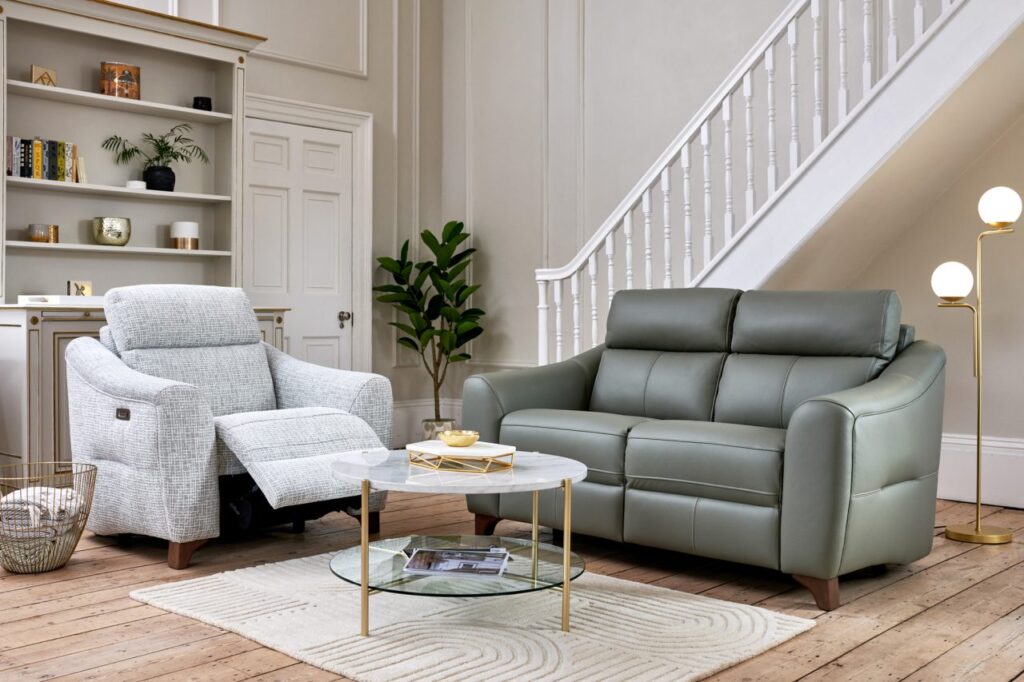
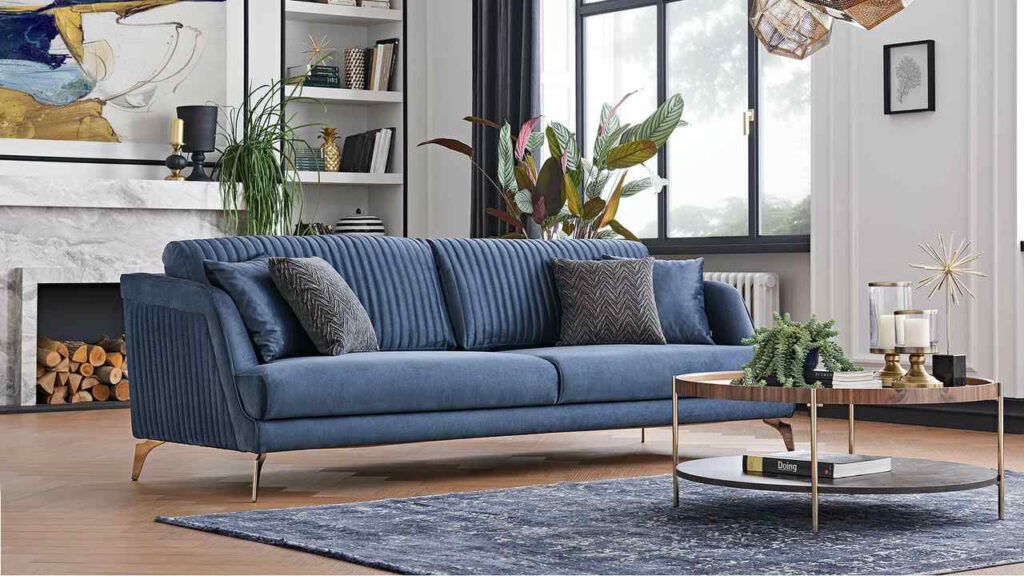
In the world of interior design, the sofa is often considered the centerpiece of a living room. Among the various options available, 3 seater sofas hold a special place due to their excellent combination of functionality and style. Whether you are decorating a cozy apartment or a spacious house, a 3 seater sofa can effectively enhance the aesthetic appeal of your home, while providing ample seating for family and friends.

Understanding the Appeal of 3 Seater Sofas

3 seater sofas australia have gained popularity for various reasons, making them a go-to choice for many homeowners. Their unique size strikes a balance between being spacious enough for three people yet compact enough to fit into smaller spaces. This adaptability is one of the primary reasons buyers are drawn to them.

The Balance of Comfort and Style

When choosing furniture, comfort and style often go hand in hand. A well-designed 3 seater sofa exudes elegance while ensuring that you and your guests can relax comfortably. With a variety of fabrics and designs available, it’s possible to find a sofa that harmonizes with your decor while providing the kind of comfort that draws people in.

Furthermore, the appeal of these sofas extends beyond just looks. The right sofa can offer the perfect lounging experience, especially on lazy weekend afternoons. Whether you’re reading a book or enjoying a movie night, the comfort of a 3 seater sofa enhances the overall experience. Many models also come with additional features such as reclining capabilities or built-in storage, making them even more functional for everyday use. This blend of comfort and utility ensures that a 3 seater sofa is not just a piece of furniture, but a central element of your living space that invites relaxation and social interaction.

Versatility in Design and Placement

Another remarkable quality of 3 seater sofas is their versatility. They can fit seamlessly into various room layouts, adapting to both formal and informal settings. You can place them in your living room, den, or even a spacious entryway, making them a valuable addition to any home.

Moreover, many 3 seater sofas come in designs that can match different decorating styles, from modern to traditional. This means that whether you prefer a sleek, contemporary look or the warmth of classic design, you can find a 3 seater sofa that will enhance your space. Additionally, the ability to customize upholstery options allows homeowners to express their personal style, whether through bold colors or subtle patterns. This customization not only ensures that the sofa complements existing decor but also allows it to become a statement piece that reflects the homeowner’s taste. The adaptability of 3 seater sofas also means they can be easily reconfigured or moved to accommodate different occasions, making them a practical choice for those who love to entertain or frequently rearrange their living spaces. Read more about design and placement at https://designsolutionedu.com/placement/

3 Seater Sofas: Stylish and Practical Choices for Every Home

Key Features to Consider When Buying a 3 Seater Sofa

Choosing the right 3 seater sofa requires careful consideration of several important features. Here are the main factors to keep in mind:

Material and Durability

The material of your 3 seater sofa significantly impacts its appearance and lifespan. From leather to fabric, every material has its advantages and disadvantages. Leather sofas, for instance, offer durability and easy cleaning but can be more expensive. Soft fabric sofas, on the other hand, may provide easier comfort but can wear down more quickly.

It’s essential to consider your lifestyle and home environment when selecting materials. If you have pets or children, you might opt for durable fabrics that resist stains and wear. Understanding the maintenance needs of each material will also help you make an informed decision. For example, microfiber is a popular choice for families due to its stain-resistant properties and ease of cleaning, while natural fibers like cotton and linen can bring a touch of elegance but may require more upkeep. Additionally, consider the environmental impact of your choice; many brands now offer eco-friendly options that use sustainable materials and processes, allowing you to make a responsible choice for your home.

Size and Proportions

While the name suggests the sofa accommodates three people, not all 3 seater sofas are created equal in size. It’s crucial to measure your living space to ensure that the sofa fits harmoniously with other furniture. Overly large sofas can make a space feel cramped, while smaller sofas may leave a room feeling incomplete.

Additionally, consider the proportions of the sofa in relation to your room. A low-profile sofa may look great alongside a large coffee table, while a high-back sofa can create a dramatic effect in a cozy nook. Understanding spatial dynamics can significantly influence the overall design of your space. Furthermore, think about the layout of your room and how the sofa will interact with other elements, such as windows and doorways. A well-placed sofa can enhance the flow of the room, making it feel more inviting and functional. If you have a small space, consider modular or sectional sofas that can be rearranged to fit your needs.

Comfort and Support

The comfort of a sofa is often determined by the support it provides. Look for sofas that have sturdy frames, ample cushioning, and ergonomic designs to ensure good posture while sitting. Check for quality springs and high-density foam, as these features contribute to lasting comfort.

Moreover, personal preference plays a critical role in comfort. Some people prefer firmer seating, while others enjoy a plush experience. It’s advisable to test different models in person to find the right balance of comfort and support that suits you. Additionally, consider the depth of the sofa; deeper seats may be more comfortable for lounging, while shallower seats can be better for upright seating. Don’t forget to think about the armrest height and style, as this can also affect how comfortable you feel while sitting or reclining. Finally, if you enjoy entertaining, consider a sofa with a reclining feature or built-in chaise lounge for added versatility and comfort during gatherings.

Popular 3 Seater Sofa Styles

The market offers a plethora of styles for 3 seater sofas, each with its own unique characteristics and aesthetics. Here are some popular choices:

Modern Minimalist Sofas

Characterized by clean lines and a lack of ornamentation, modern minimalist sofas are perfect for those who appreciate contemporary design. These sofas often feature neutral colors and understated materials, making them easy to blend into any decor.

Minimalist sofas emphasize function over form, often providing just the essential elements needed for comfort and usability. They are ideal for spaces where simplicity is key, promoting a sense of calm and order. Additionally, many modern minimalist sofas are designed with modular components, allowing homeowners to customize their seating arrangements based on their specific needs and available space. This versatility makes them particularly appealing to urban dwellers who may have limited square footage but still desire a stylish and functional living area.

Classic Chesterfield Sofas

The Chesterfield sofa is a timeless classic known for its deep button-tufting and rolled arms. This style exudes sophistication and is often associated with traditional and vintage decor. A Chesterfield can be a standout piece that raises the elegance of any room.

Not only are these sofas visually striking, but they also provide a cozy seating experience. Their rich upholstery and structured form make them perfect for formal settings, yet they can also blend well in more relaxed, eclectic homes. Often crafted from luxurious materials such as leather or velvet, Chesterfields can be found in a variety of colors, allowing homeowners to choose a hue that complements their existing decor. Furthermore, the durability of these sofas means they can withstand the test of time, making them a worthwhile investment for those looking to add a touch of classic charm to their living spaces.

Mid-Century Modern Sofas

Mid-century modern sofas boast a retro appeal characterized by their tapered legs and angled silhouettes. Popularized in the mid-20th century, this style continues to resonate with fans of retro design.

These sofas often feature vibrant colors and unique patterns, allowing for a playful yet stylish appearance in any room. The combination of aesthetics, comfort, and practicality makes mid-century modern sofas a sought-after option for many homeowners. Additionally, the emphasis on organic shapes and natural materials in mid-century design aligns with contemporary sustainability trends, as many manufacturers now produce these sofas using eco-friendly practices. This not only enhances the appeal of mid-century modern sofas but also allows environmentally conscious consumers to enjoy stylish seating without compromising their values. With their ability to seamlessly blend into both modern and traditional settings, mid-century sofas remain a favorite choice for those looking to make a bold yet tasteful statement in their homes.

3 Seater Sofas: Stylish and Practical Choices for Every Home

Making the Most of Your 3 Seater Sofa

Once you’ve selected the perfect 3 seater sofa for your home, it’s important to maximize its potential through effective placement and accessories. Here are some tips to enhance its functionality and aesthetic:

Complementing Your Interior Design

To create a cohesive look, ensure that your 3 seater sofa complements the overall design theme of your space. Consider color schemes, patterns, and furniture arrangements when placing your sofa.

Using throw pillows, blankets, and art pieces that echo the colors and patterns of your sofa will create a visual harmony throughout the room. This attention to detail can transform the overall space, making it feel finished and inviting. Click here to learn more about interior design.

Maximizing Comfort with Accessories

Accessories play a critical role in enhancing the comfort of your 3 seater sofa. Items such as cushions and throws not only add layers of texture but can also provide additional support for your back and neck.

Consider incorporating ergonomic pillows designed to offer extra lumbar support. Additionally, a cozy throw blanket can make the sofa more inviting for those chilly evenings, enhancing the overall comfort of your lounging experience.

Maintenance and Care Tips

To ensure your 3 seater sofa remains beautiful and functional for years to come, proper care and maintenance are essential. Regularly vacuum the upholstery to keep dust and debris at bay, and promptly address any spills or stains with appropriate cleaning methods.

Additionally, consider periodic professional cleaning, especially for fabric sofas, to maintain their appearance and prolong their lifespan. By taking these steps, you will ensure that your investment in a 3 seater sofa pays off in comfort and style for years to come.

Related : How to Pick the Perfect 3 Seater Sofa for Your Living Room

detailed survey

When You Need a Detail Survey for Your Land Development Project

Embarking on a land development project is an exciting yet challenging endeavour that requires meticulous planning and execution. One of the critical steps in ensuring the success of such projects is conducting a detailed survey. A detailed survey provides essential data about the land, which is crucial for informed decision-making and effective project management. Understanding when and why you need a detailed survey can significantly impact the outcome of your development project.

Understanding the Importance of a Detailed Survey

What is a Detailed Survey?

A detailed survey, also known as a topographic survey, is a comprehensive analysis of a particular parcel of land. It involves measuring and mapping the contours, features, and boundaries of the land. This survey provides a detailed representation of the site, including natural and man-made features such as trees, buildings, roads, and utilities. The information gathered is vital for architects, engineers, and developers to design and plan effectively.

The data from a detailed survey helps in understanding the topography of the land, identifying potential challenges, and determining the feasibility of the proposed development. It serves as a foundational document that guides the entire development process, from initial planning to final construction.

Moreover, a detailed survey is often required by local authorities and regulatory bodies to ensure compliance with zoning laws and building codes. It provides a factual basis for obtaining necessary permits and approvals, thereby facilitating a smoother development process.

Legal and Regulatory Requirements

Before commencing any land development project, it is imperative to be aware of the legal and regulatory requirements that govern land use and development. A detailed survey is often a mandatory requirement for obtaining planning permission and other necessary approvals. It ensures that the proposed development adheres to local zoning laws, environmental regulations, and building codes.

Regulatory bodies use the data from detailed surveys to assess the potential impact of the development on the surrounding environment and community. This assessment helps in identifying any potential legal issues or constraints that may arise during the development process. By conducting a detailed survey, developers can address these issues proactively, thus avoiding costly delays and legal disputes.

Furthermore, a detailed survey can help in resolving boundary disputes and clarifying property lines. It provides an accurate and legally recognised representation of the land, which can be used as evidence in legal proceedings if necessary.

When to Conduct a Detailed Survey

Pre-Purchase Considerations

Conducting a detailed survey before purchasing a piece of land is a prudent step that can save time and money in the long run. It provides potential buyers with a clear understanding of the land’s characteristics, including its size, shape, and topography. This information is crucial for assessing the suitability of the land for the intended development.

By obtaining a detailed survey before purchase, buyers can identify any potential issues or constraints that may affect the development process. This includes identifying flood-prone areas, unstable soil conditions, or existing easements and rights of way. Armed with this information, buyers can make informed decisions and negotiate better terms with the seller.

Additionally, a pre-purchase survey can help in estimating the costs associated with site preparation and development. It provides a realistic assessment of the work required to prepare the land for construction, allowing buyers to budget accordingly.

During the Planning Phase

The planning phase is a critical stage in any land development project, and a detailed survey plays a vital role in this process. It provides the necessary data for creating accurate site plans and designs, ensuring that the proposed development is feasible and compliant with regulatory requirements.

During the planning phase, architects and engineers use the data from the detailed survey to design the layout of the development, taking into account the natural features and constraints of the land. This includes determining the optimal placement of buildings, roads, and utilities, as well as identifying any potential challenges that may arise during construction.

Furthermore, a detailed survey helps in assessing the environmental impact of the proposed development. It provides information on existing vegetation, water bodies, and wildlife habitats, which is essential for conducting environmental impact assessments and obtaining necessary permits.

Before Construction Begins

Before breaking ground on a land development project, it is essential to conduct a detailed survey to ensure that the construction process proceeds smoothly. The survey provides a precise and up-to-date representation of the site, which is crucial for accurate construction planning and execution.

During the construction phase, the data from the detailed survey is used to set out the site and establish reference points for construction activities. This ensures that the construction work is carried out according to the approved plans and specifications, minimising the risk of errors and rework.

Additionally, a detailed survey helps in identifying any changes or discrepancies that may have occurred since the initial planning phase. This includes changes in the site’s topography, vegetation, or existing structures, which may affect the construction process. By addressing these changes proactively, developers can avoid costly delays and ensure that the project stays on schedule.

detailed survey

Benefits of a Detailed Survey

Enhanced Project Planning and Design

A detailed survey provides a wealth of information that is invaluable for project planning and design. It enables architects and engineers to create accurate and realistic designs that take into account the unique characteristics and constraints of the site. This results in more efficient and cost-effective designs that maximise the use of available land and resources. Click the link: https://lhpowerandlight.org/contour-and-detail-surveys-what-you-need-to-know-before-building/ to more guidence about contour and detailed surveys.

Furthermore, a detailed survey helps in identifying potential challenges and risks early in the planning process. This allows developers to address these issues proactively, reducing the likelihood of costly delays and rework during construction. By providing a solid foundation for planning and design, a detailed survey contributes to the overall success of the development project.

Improved Risk Management

Risk management is a critical aspect of any land development project, and a detailed survey plays a key role in this process. By providing accurate and comprehensive data about the site, a detailed survey helps in identifying potential risks and challenges that may arise during the development process.

These risks may include environmental hazards, such as flooding or soil instability, as well as legal and regulatory issues, such as boundary disputes or zoning violations. By identifying these risks early on, developers can implement appropriate mitigation measures and contingency plans, reducing the likelihood of costly delays and disruptions.

Moreover, a detailed survey provides a factual basis for making informed decisions and managing risks effectively. It enables developers to assess the feasibility of the proposed development and make adjustments as needed to ensure the project’s success.

Facilitating Communication and Collaboration

Effective communication and collaboration are essential for the success of any land development project. A detailed survey provides a common reference point for all stakeholders involved in the project, including architects, engineers, contractors, and regulatory authorities.

By providing accurate and up-to-date information about the site, a detailed survey facilitates clear and effective communication among stakeholders. It ensures that everyone is on the same page and working towards the same goals, reducing the likelihood of misunderstandings and conflicts.

Additionally, a detailed survey helps in coordinating the efforts of different teams and ensuring that the project progresses smoothly and efficiently. It provides a clear roadmap for the development process, enabling stakeholders to collaborate effectively and achieve the desired outcomes.

detailed survey

Conclusion

In conclusion, a detailed survey is an essential component of any land development project. It provides critical data that informs decision-making, enhances project planning and design, and facilitates effective communication and collaboration among stakeholders. By conducting a detailed survey, developers can ensure that their projects are feasible, compliant, and successful, ultimately leading to a positive outcome for all involved.

Whether you are considering purchasing a piece of land, embarking on a new development project, or preparing for construction, a detailed survey is a valuable investment that can save time, money, and effort in the long run. By understanding the importance and benefits of a detailed survey, you can make informed decisions and set your project up for success.